
You’ve ordered the signs, coordinated with the municipality, and scheduled the crew—only to discover the street sign bracket doesn’t fit your post type. Or worse, it fits, but it’s undersized for the sign, and now you’re facing wind damage and reinstallation costs within months.
Choosing the wrong street sign mounting brackets isn’t just inconvenient—it means wasted materials, labor costs, failed inspections, and potential safety issues. The difference between a successful installation and an expensive mistake often comes down to understanding four critical factors before you order.
Whether you’re mounting signs in a quiet residential neighborhood or at a busy urban intersection, this guide walks you through exactly how to select the mounting brackets that match your post type, sign size, mounting position, and municipal requirements.
Let’s break down each bracket type and show you how to make the right choice every time.
The Importance of Choosing the Right Bracket
When you’ve selected the correct bracket type and size from the start, installation and maintenance remain straightforward throughout the sign’s lifecycle. The right street sign post brackets ensure:
- Easier Installation: Proper fit means less adjustment and troubleshooting.
- Reduced Maintenance: Correctly sized brackets handle stress appropriately, reducing failures.
- Future Adaptability: Standard bracket sizing allows for sign replacement without bracket changes.
On the other hand, incorrect bracket selection creates cascading problems: difficult installation, premature wear, and potential non-compliance with municipal standards.
Different Street Sign Bracket Types
Street name sign mounting brackets come in several distinct categories, each designed for specific mounting applications:
- Post Caps (5.5″, 12″, 18” and 24”): These brackets mount directly to the top of posts and are available for three post types–U-channel, round, and square.

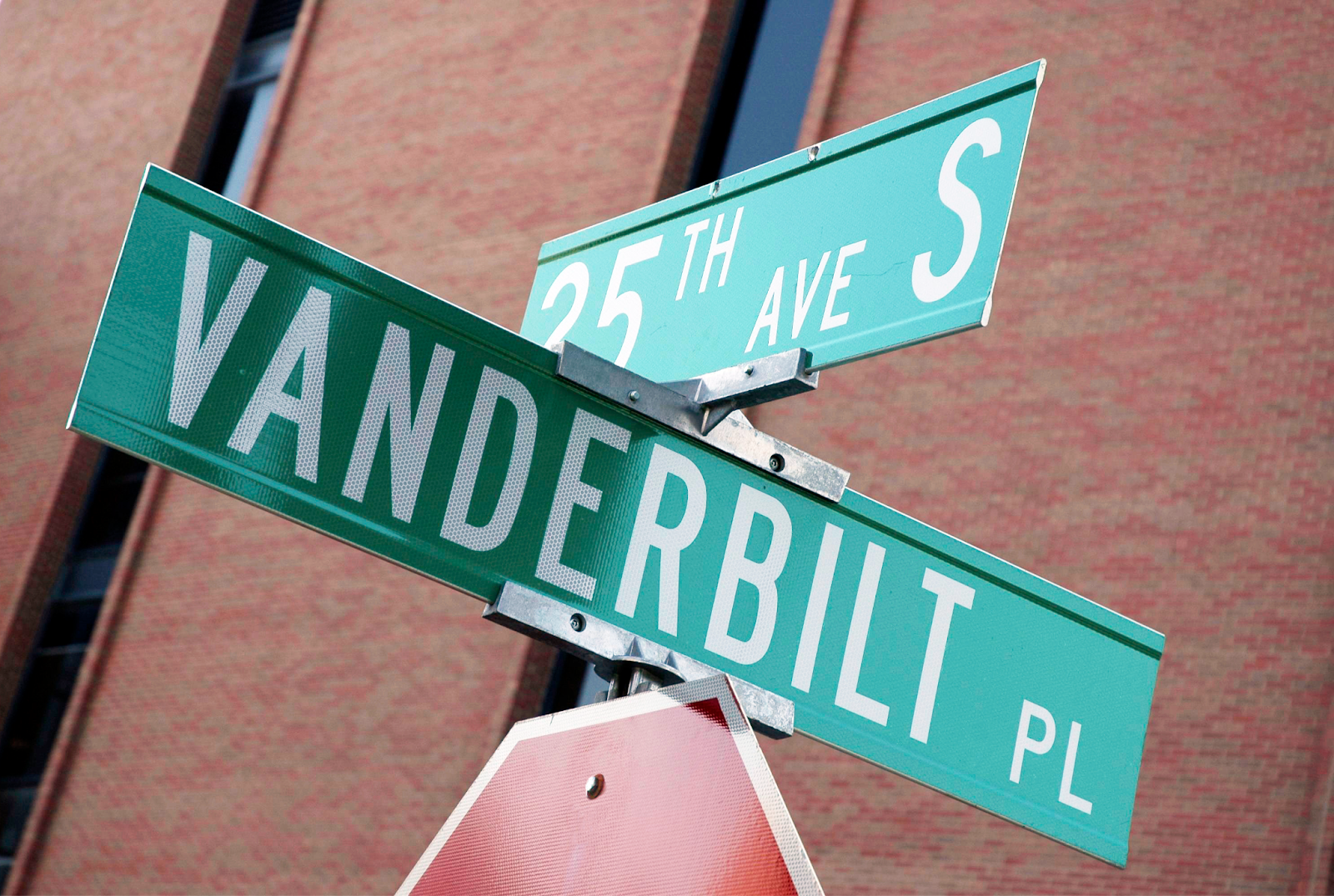
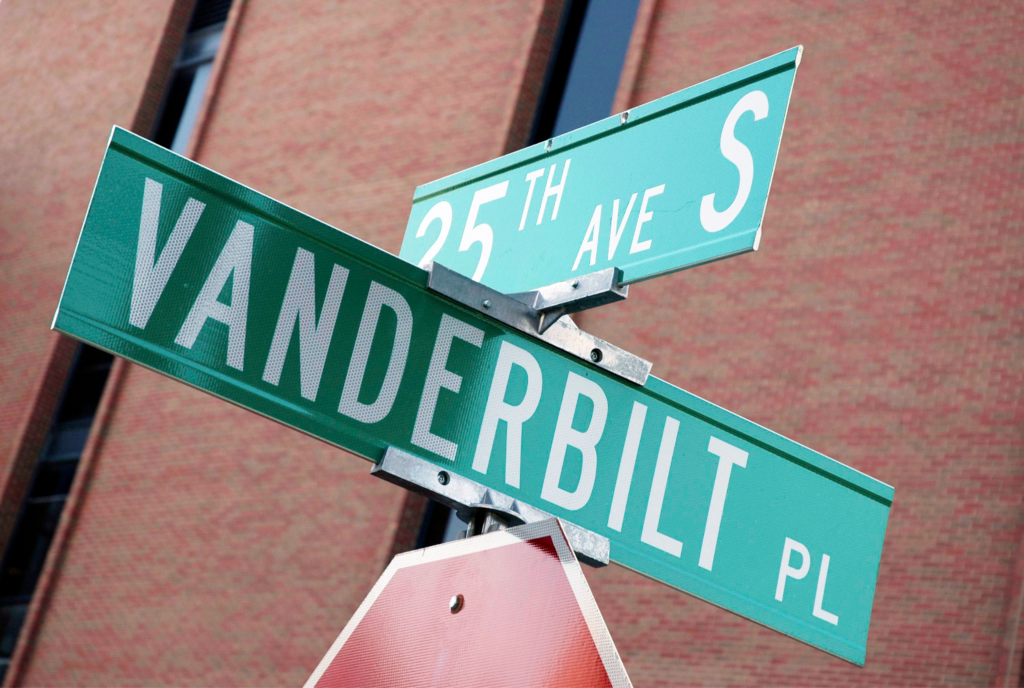
- Cross Pieces (5.5″, 12″, 18” and 24”): Cross pieces serve a unique function: they mount signs to other signs. This bracket type is essential at intersections where multiple street name signs need to be displayed on a single post.
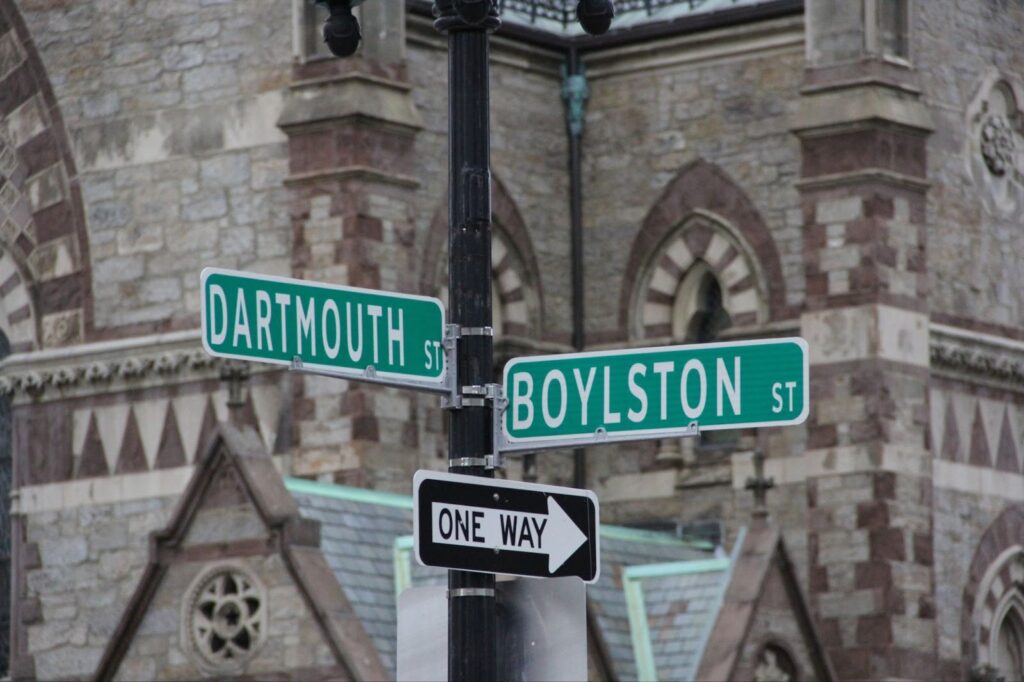
- Cantilever Wing Brackets (16”, 24″, 30” and 36”): These brackets allow for side mounting to posts, positioning signs perpendicular to the pole rather than on top.
4 Key Factors to Consider When Choosing Street Sign Brackets
When selecting brackets for your street sign, there are four critical factors to consider that can help you make the right choice:
- Post Type
Your bracket must match the post you’re using. For example, a U-channel post requires U-channel post caps, while round and square posts need their respective bracket types. This is non-negotiable–mismatched brackets and posts lead to installation failures.
- Sign Size
The street sign bracket size must accommodate your sign’s length and height. Sign mounting brackets are sized specifically–5.5″, 12″, 18” and 24” options for post caps and cross pieces, 16″, 24″, 30” and 36” for cantilevers. Using a bracket that’s too small for your sign is one of the most common mistakes.
- Sign Type
Different signs require different mounting approaches, which may include:
- Flat blade signs
- Extruded signs
- Box blade signs
Each sign type has specific compatibility requirements that you need to be aware of.
- Mounting Position
You must determine whether your installation calls for a top mount or a side mount. Top mount is where the sign sits on top of the post, while side mount means the sign extends from the side of the post. The mounting position is typically specified by municipal requirements and affects which street sign brackets you’ll need.
5-Step Process for Finding the Right Bracket for Your Street Sign
How can you find the right brackets for your specific sign? Here’s a quick 5-step process to help you make the best choice:
Step 1: What Type of Post Are You Using?
- U-channel → U-channel post cap
- Round → Universal/Round post cap
- Square → Universal/Square post cap
Step 2: What’s the Length/Height of Your Sign?
- Measure your sign dimensions
- Match to available sizes:
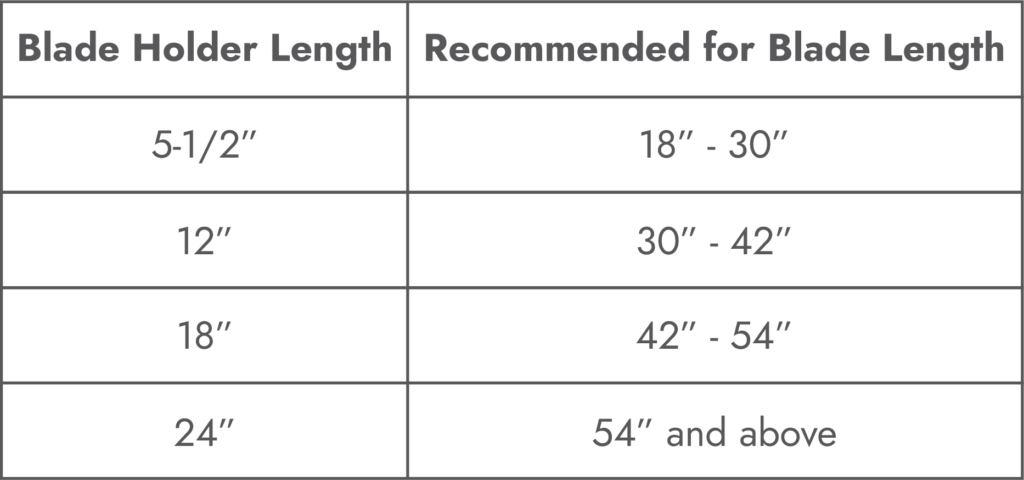
- Always size up if you’re between sizes
Step 3: Is This a Flat or Extruded Sign?
- Verify street sign bracket compatibility with your sign profile
- Use the appropriate flat or extruded sign brackets to ensure a tight fit
Step 4: Top Mount or Side Mount?
- Top mount → Post caps or cross pieces
- Side mount → Cantilever wing brackets
Step 5: Is This an Intersection?
- Single street → Standard post cap
- Intersection → Cross piece needed
Common Mistakes When Selecting Street Sign Mounting Brackets
Mistake #1: Using Undersized Street Sign Brackets
The most common mistake we see when someone is choosing a bracket is getting one that’s too small for the sign. This compromises structural integrity and can lead to sign failure, especially in adverse weather conditions.
Mistake #2: Ignoring Weather Conditions
Street sign brackets must be sized to account for wind load and weather stress. High-speed areas or regions with severe weather require more robust brackets, not just the minimum size. For example, if the area frequently sees high winds or snow, larger brackets should be used for better support.
Mistake #3: Using Small Signs in High-Speed Areas
Small signage on high-speed roads creates visibility and safety issues. Larger signs require appropriately sized brackets–this isn’t just about fitting the sign, it’s about meeting safety standards and complying with municipality requirements.
Mistake #4: Incorrect Mount Type Selection
Installing a top mount when specifications call for a side mount (or vice versa) violates municipal codes and may require complete reinstallation. Always verify specifications before purchasing your brackets, as city and county engineers will not allow the signs to be installed if they do not follow the proper guidelines.
Municipal Requirements and Code Compliance
Choosing the right bracket isn’t just about what fits–it’s about what’s required. Municipalities typically specify:
- Post type and size
- Sign dimensions and type (blade profile)
- Mounting method (top or side)
- Specific bracket requirements
The contractor’s responsibility is to follow these specifications exactly. Municipal specs drive street sign bracket selection, and deviation from these requirements can result in failed inspections and reinstallation costs.
Always obtain and review the complete project specifications before ordering street name sign mounting brackets.
Application-Specific Recommendations for Street Sign Brackets
Residential Streets (Top Mount)
Residential areas typically use top-mount configurations with standard post caps. These installations prioritize clean aesthetics and straightforward maintenance. Choose street sign post brackets sized appropriately for your sign dimensions.
Major City Intersections (Side Mount)
High-traffic intersections often require side-mount cantilever brackets for street signs to position signs higher on utility poles for improved visibility. The 16″, 24″ 30” and 36” cantilever options provide the clearance needed in busy urban environments.
Main Street Installations
Premium downtown areas may require enhanced aesthetics–powder-coated street sign mounting brackets with signs featuring black backing for a professional appearance. Functionality remains the same, but finish quality matters.
Get Expert Help Selecting Your Street Sign Brackets
Not sure which street name sign mounting brackets fit your specific application? Don’t guess–contact MDSolutions. Our team will help you verify post compatibility, confirm proper sizing, ensure code compliance, and select the right bracket for your project.